Why Municipalities Are Switching to Electric Street Sweepers
The Environmental Impact of Traditional Sweepers
Traditional gas-powered street sweepers have been a mainstay in urban maintenance, but their environmental impact is increasingly under scrutiny. These sweepers often rely on fossil fuels, leading to significant levels ofair pollution as they operate. When these machines function, they emit harmful pollutants such as nitrogen oxides and particulate matter into the atmosphere, which can exacerbate respiratory issues and other health-related problems among urban residents.
Moreover, traditional sweepers are substantial contributors to greenhouse gas emissions. The combustion of gasoline and diesel not only releases carbon dioxide but also results in the emission of other volatile organic compounds that can harm air quality. Given the growing concern over climate change, municipalities are under pressure to reduce their carbon footprints and shift towards more sustainable practices.
In addition to air quality deterioration, the reliance on fossil fuels raises issues of energy dependency for municipalities. As fossil fuel prices fluctuate, municipalities might face increased operating costs associated with traditional sweepers. This not only places financial strain on local governments but also impacts their ability to invest in innovative and environmentally friendly solutions.
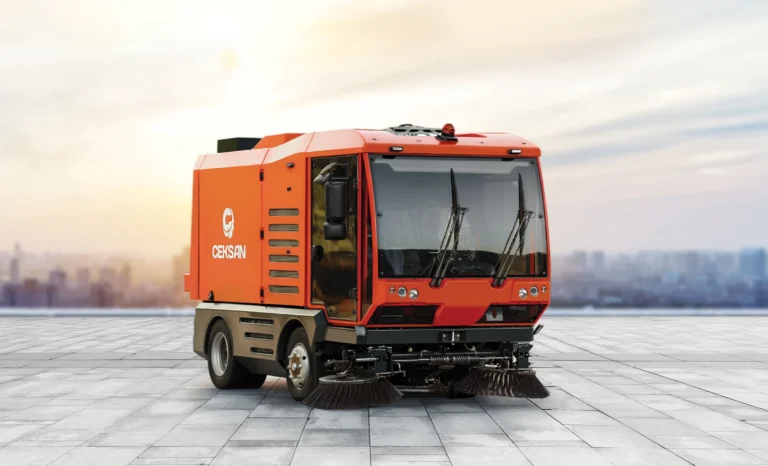
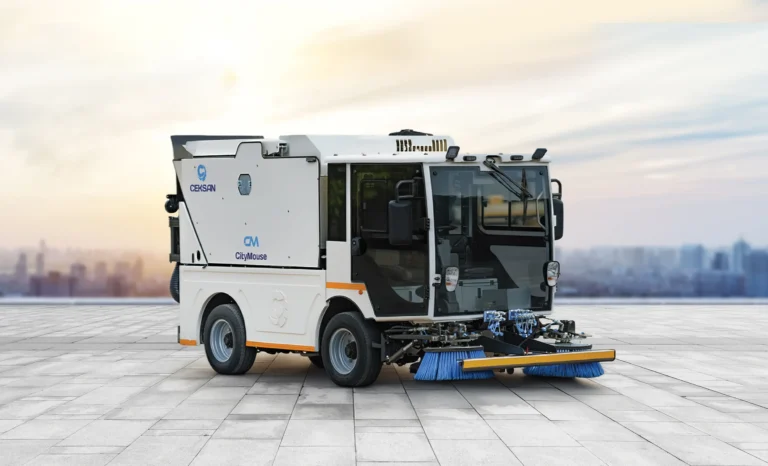
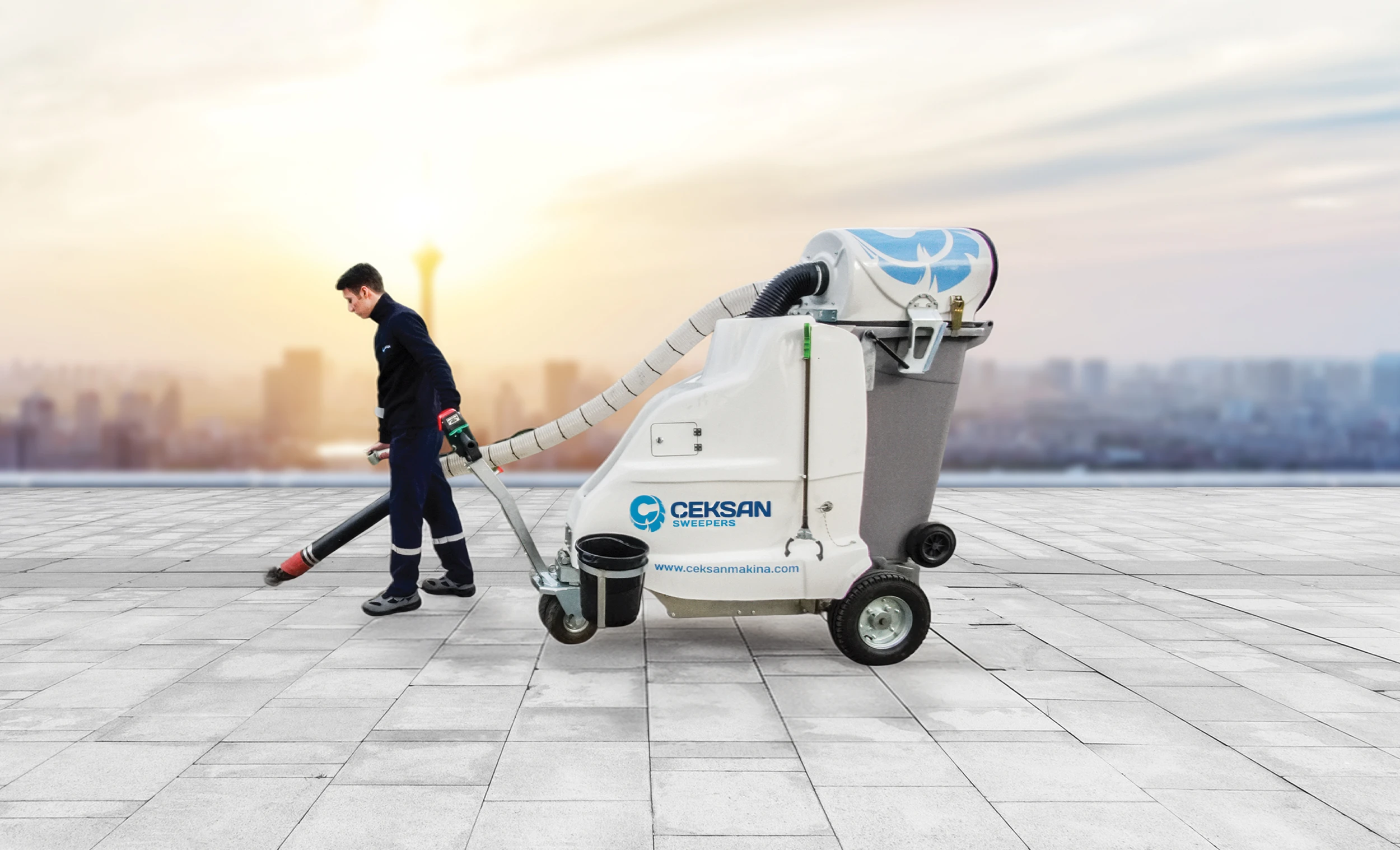
Increasing awareness of these environmental challenges has encouraged many municipalities to explore alternative street cleaning options, such as electric sweeping technologies. Electric sweepers offer a cleaner, quieter, and more efficient way to maintain urban environments without the adverse health and ecological effects of traditional sweepers. By transitioning to electric sweeping, municipalities can significantly decrease emissions, enhance air quality, and contribute positively to sustainability efforts.
Benefits of Electric Street Sweepers
Electric street sweepers are rapidly gaining popularity among municipalities due to their numerous benefits, which reinforce sustainable urban management practices. One of the primary advantages of electric sweeping vehicles is the lower operating costs associated with their use. Electric motors generally have fewer moving parts compared to their conventional diesel counterparts, resulting in reduced maintenance and longer service intervals. This ultimately translates into savings for local governments and taxpayers alike.
Another significant benefit is the markedly lower noise levels produced by electric street sweepers. Noise pollution is often a concern in urban settings, affecting community well-being. Electric sweepers operate quietly, allowing for nighttime and early morning operation without disturbing residents or businesses. This contributes to a more peaceful urban environment, enhancing the quality of life for citizens.
Further contributing to their appeal is the reduced emissions that electric street sweepers produce. Traditional gasoline or diesel models generate harmful pollutants, whereas electric options emit zero tailpipe pollutants, ultimately improving local air quality. As urban areas battle issues like smog and greenhouse gas emissions, transitioning to electric sweeping technology aligns well with broader sustainability goals, including those articulated in climate action plans.
The integration of electric sweepers not only aligns with environmental objectives but also demonstrates a municipality’s commitment to public health. Healthier communities benefit from fewer pollutants in the air, and this, in turn, can lead to lowered healthcare costs associated with pollution-related illnesses. Thus, electric street sweepers serve as a critical component in fostering cleaner, safer, and more sustainable urban spaces.
Case Studies of Successful Transitions
Several municipalities have undertaken the transition from traditional street sweeping services to electric street sweepers, showcasing the benefits and effectiveness of this shift. One notable example is the city of San Diego, California, which implemented electric sweeping into its operations in 2019. The initial investment cost for these electric sweepers was approximately $500,000, funded through a combination of city budget allocations and state grants aimed at reducing emissions. Since the transition, San Diego has reported a significant reduction in air pollution and noise levels, along with substantial savings in fuel costs.
Similarly, the city of Minneapolis, Minnesota, made the switch to electric sweeping technology in 2020. The financing for this upgrade included federal support through the Environmental Protection Agency’s Clean Diesel Program. Minneapolis invested around $300,000 in six electric sweepers, which has already resulted in a 40% decrease in operational costs related to fuel and maintenance. In addition to the financial benefits, the new equipment has also improved service efficiency, allowing the city to increase its cleaning routes while enhancing overall service delivery.
Another striking example is the city of Seattle, Washington, where municipal authorities opted to integrate electric sweepers into their fleet in mid-2021. The funding model included a mix of city funds and a partnership with an environmental nonprofit organization that promotes sustainable practices. The overall cost for this transition amounted to nearly $1 million, but the positive outcomes have been remarkable. Seattle experienced a decrease in greenhouse gas emissions by over 50% from street sweeping activities alone, while also receiving an influx of positive community feedback regarding the reduced noise pollution at night.
These case studies illustrate how municipalities can benefit significantly from switching to electric street sweepers. By leveraging various financing options and acknowledging the tangible positive outcomes in both environmental and operational efficiencies, more cities are likely to follow suit in the pursuit of cleaner and more sustainable urban environments.
Future Trends in Urban Cleaning Technology
The landscape of urban maintenance is rapidly evolving, driven by advancements in electric vehicle technology and the integration of smart city concepts. As municipalities continue to face pressures related to sustainability and operational efficiency, the adoption of electric street sweepers is becoming increasingly prevalent. These vehicles not only reduce emissions but also lower operational costs through increased energy efficiency.
Electric sweeping technology is advancing quickly, with manufacturers developing models that offer enhanced battery life, faster charging times, and reduced noise levels. This is particularly important for urban environments where noise pollution from traditional gas-powered sweepers can be disruptive, especially during night operations.
Moreover, as municipalities begin to embrace smart city technologies, the role of electric sweepers is likely to expand. Integrating these machines into a network of connected vehicles can provide real-time data on street conditions, enabling more efficient scheduling and deployment of cleaning efforts. For instance, municipalities can analyze data to optimize routes, ensuring that high-traffic areas receive attention while minimizing unnecessary sweeping in less critical zones.
Continuous innovations in sensor technology and artificial intelligence are expected to further enhance the capabilities of electric street sweepers. These enhancements may include automatic navigation systems, enabling sweepers to operate autonomously while effectively identifying and responding to varying street conditions. Such advancements not only improve the efficiency of urban cleaning but also allow municipalities to allocate resources more judiciously.
To stay ahead of the curve, municipalities must remain vigilant in monitoring these technological trends. Investing in training for operators and maintenance personnel will be crucial to effectively utilize new technologies as they emerge. Additionally, forming partnerships with technology vendors can provide access to the latest innovations in electric sweeping and further enhance urban maintenance practices.