Best Street Sweeper Solutions for Modern Cities
Introduction to Street Sweeping Technologies
Street sweepers are specialized vehicles designed to clean urban roadways, parking lots, and other surfaces by removing debris, litter, and pollution. Their significance in city cleaning cannot be overstated, especially as urban areas continue to grow and face increasing challenges related to waste management and environmental health. The need for efficient street cleaning solutions has never been more critical, due to factors such as rising populations, heightened pollution levels, and the complex demands of municipal maintenance.
Historically, street sweeping has evolved substantially. The first manual sweepers appeared in the 19th century, forcing workers to rely on brooms and horse-drawn carts to keep streets clean. The early 20th century marked a significant turning point with the introduction of mechanized street sweepers, which allowed for faster and more efficient cleaning processes. These innovations set the stage for modern street sweeping technologies, which now include advanced engineering and automation to optimize cleaning efficiency.
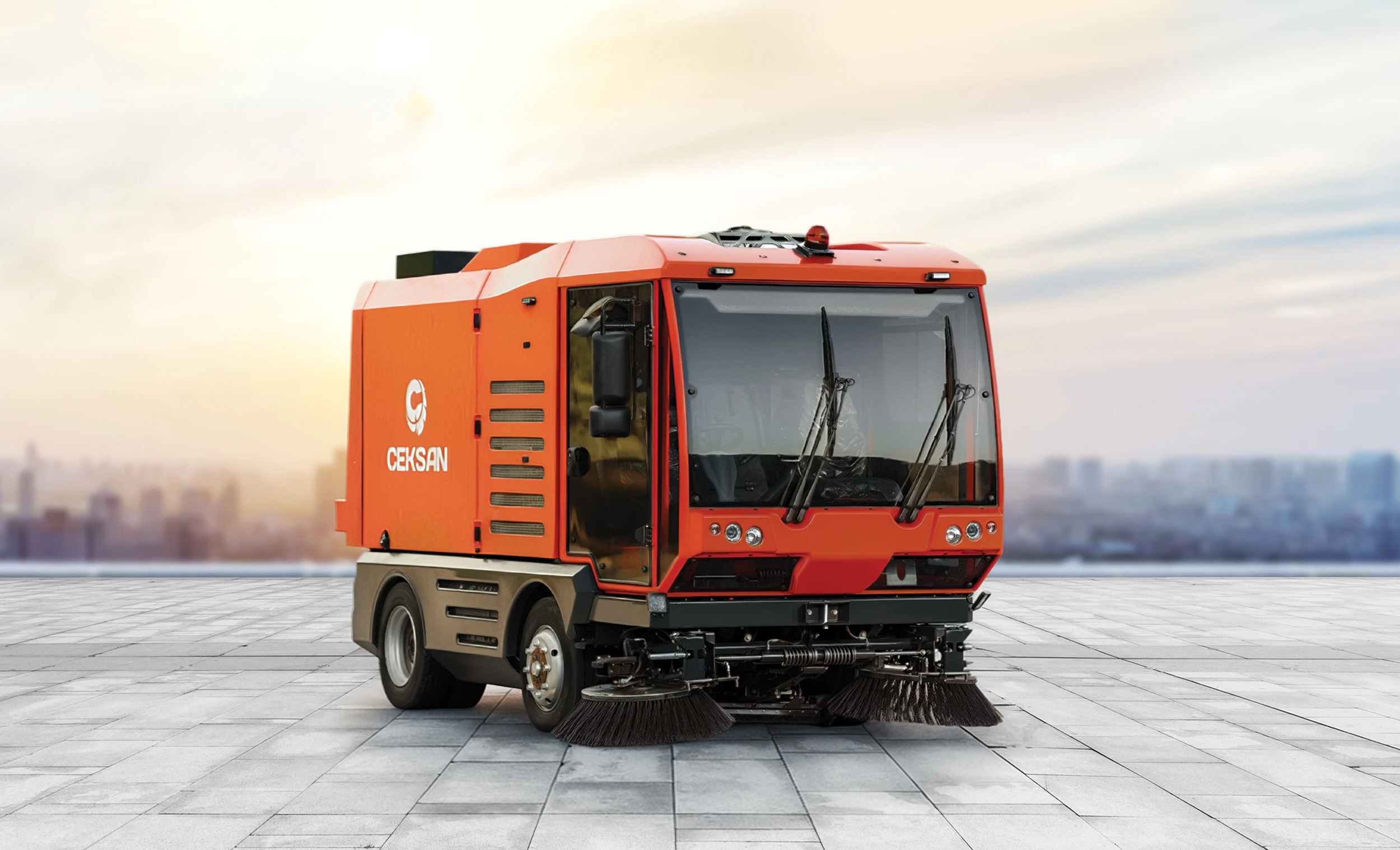
Modern street sweepers are equipped with a variety of technologies aimed at enhancing their effectiveness in city cleaning. Features may include suction systems that efficiently remove fine dust particles, specialized brushes for different surfaces, and even water systems to minimize dust during operations. Additionally, many new models utilize eco-friendly technologies that reduce emissions and conserve water, aligning with urban sustainability goals.
The growing urgency of maintaining clean urban environments necessitates robust street cleaning solutions. Current street sweeping technologies play a pivotal role in helping municipalities tackle these challenges by employing innovative strategies to keep streets clean and safe for residents, thus contributing to better urban living conditions.
Types of Street Sweeping Equipment
In urban environments, effective city cleaning is crucial for maintaining the health and aesthetics of public spaces, and various types of street sweeping equipment play a vital role in achieving this goal. The predominant types include mechanical, vacuum, and regenerative air street sweepers, each possessing distinct advantages and limitations.
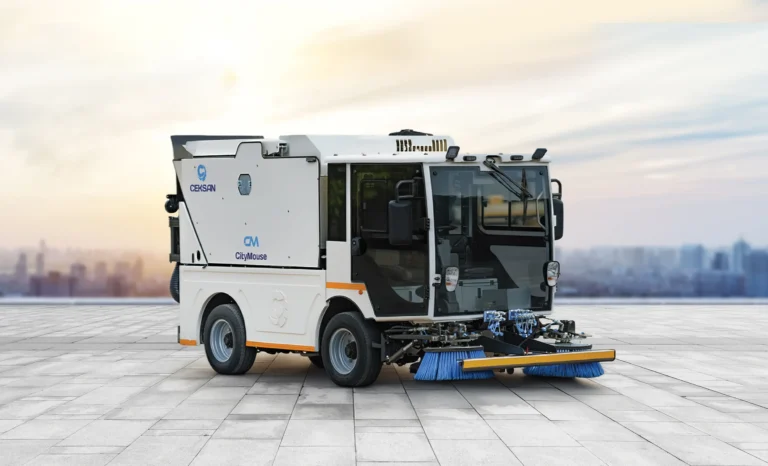
Mechanical street sweepers are among the most traditional options, utilizing brushes to sweep debris into a hopper. They are generally easy to operate and maintain, making them suitable for various types of road surfaces. However, they might struggle with finer dust particles, which can lead to the re-suspension of contaminants into the air. Their best application is in areas with heavier debris, such as construction sites or during large community events.
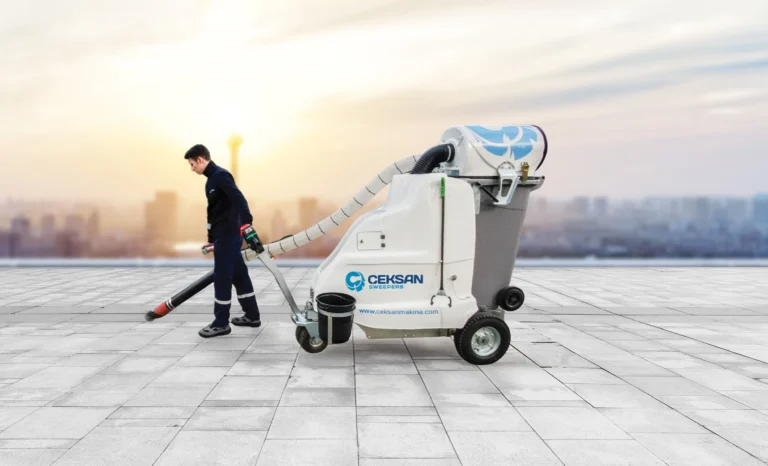
Vacuum street sweepers, on the other hand, are designed to pick up litter and fine dust from road surfaces effectively. This type employs powerful suction along with brushes to collect debris into a storage container. Their capability to handle both large and small debris makes them ideal for urban centers, where maintaining cleanliness is critical. Nevertheless, they tend to have a higher operational cost and may require more frequent maintenance compared to mechanical types.
Regenerative air street sweepers represent a hybrid solution that utilizes a combination of air suction and high-pressure air blasts to dislodge debris from road surfaces, subsequently vacuuming it up. This method allows for effective cleaning of fine dust while minimizing the disturbance of the surrounding area. They excel in environments where air quality is a concern, such as densely populated neighborhoods and along highways. However, their initial cost can be prohibitive, which may affect their adoption in some municipalities.
In conclusion, understanding the strengths and weaknesses of different street sweeping solutions enables city planners and decision-makers to select equipment that best fits their urban cleaning requirements, contributing to a cleaner and healthier urban environment.
Innovative Technologies in Street Sweeping
The evolution of street sweeping technology has led to the development of modern street sweepers that incorporate innovative solutions, significantly enhancing city cleaning operations. One of the most notable advancements is the integration of GPS technology, which allows for precise route planning and real-time tracking of street sweeper units. This feature not only ensures that every area is addressed efficiently but also minimizes overlapping, reducing fuel consumption and operational costs.
Automated systems are another hallmark of contemporary street sweepers. These technologies facilitate autonomous operation, where street sweepers can perform their functions with minimal human intervention. For instance, some cities have successfully implemented automated sweepers that can identify various types of debris and adjust their cleaning methods accordingly. This not only streamlines street cleaning processes but also enhances the overall effectiveness and efficiency of operation.
Furthermore, the push for eco-friendly solutions has led manufacturers to develop street sweepers that utilize alternative fuel sources or electric power, significantly reducing emissions and minimizing the environmental impact associated with traditional diesel-powered units. Cities such as San Francisco and Amsterdam have adopted these greener street sweepers, which not only contribute to better air quality but also align with broader sustainability goals. By embracing these innovative technologies, municipalities can achieve a dual benefit of cost efficiency and environmental protection.
The advantages of technological advancements in street sweeping are clear. With enhanced data collection capabilities and eco-friendly designs, urban areas not only maintain cleanliness but also promote sustainability. These innovations showcase how modern street sweepers are transforming city cleaning, setting a new standard for urban maintenance.
Choosing the Right Street Sweeper for Urban Needs
Selecting an appropriate street sweeper for urban environments is a decisive factor in effective city cleaning operations. City administrators and decision-makers must navigate various challenges, ensuring that the chosen equipment aligns with their specific needs and local regulations. The evaluation process begins with assessing budget constraints. Investing in modern street sweepers often requires significant capital; thus, understanding the financial landscape is essential. Cities should consider not only the purchase price but also the long-term operational costs associated with fuel, maintenance, and potential financing options.
Another critical aspect to consider is the maintenance needs of the street sweeper. Different models come with varying requirements for upkeep, which can impact operational efficiency. A sweeper with lower maintenance needs may seem attractive initially, but it often correlates with higher upfront costs. Decision-makers should evaluate the availability of spare parts and local service providers, as these factors will influence downtime during repairs.
Additionally, operational requirements must align with the streets being cleaned. Urban environments present unique challenges, such as narrow streets, heavy traffic, and diverse waste types. When selecting a model, it’s essential to assess the sweeping technology and capabilities. City cleaning tasks may also necessitate multifunctional equipment that can adapt to various conditions, enhancing versatility.
Finally, cities must also be mindful of local environmental regulations. Street sweepers can play a pivotal role in reducing urban pollutants, so choosing a model compliant with emission standards is crucial. When it comes to procurement, evaluating vendors is key. Reputable suppliers will provide comprehensive support, including training for operators and maintenance staff, ensuring that cities benefit fully from their investments in street cleaning solutions.