How Smart Cities are Transforming Urban Street Cleaning
Introduction to Smart Cities and Urban Cleaning Challenges
Smart cities represent a significant evolution in urban development, utilizing advanced technologies and data analytics to enhance the quality of life for residents. At the forefront of these innovations is the integration of smart systems into various municipal services, including urban street cleaning. Traditional street cleaning has long faced numerous challenges that affect public health, environmental sustainability, and urban aesthetics. The complexity of modern urban environments exacerbates these issues, making the role of efficient cleaning practices increasingly critical.
Effective street cleaning is essential for maintaining public health. Accumulated debris, waste, and pollutants can foster the growth of harmful pathogens and pests, impacting the well-being of urban inhabitants. With the rise in population density and vehicular traffic in cities, the amount of waste generated has significantly surged, necessitating more rigorous and frequent cleaning efforts. The traditional methods of deploying manual labor and simple mechanical sweepers struggle to keep pace with these growing demands, highlighting the urgent need for innovative solutions.
In addition to health concerns, the aesthetic appeal of urban spaces profoundly influences residents’ quality of life and their overall satisfaction with the environment. Dirty streets detract from the beauty of cities, discouraging community engagement and lowering property values. The challenge for city planners and sanitation workers is to implement effective, efficient cleaning strategies that can adapt to the unique needs of different urban districts.
As cities continue to expand and evolve, the integration of smart technology into street cleaning practices is becoming essential. The use of data-driven insights can optimize the deployment of sweepers, ensuring that resources are utilized effectively. By understanding patterns of waste accumulation and employing proactive cleaning methods, smart cities can achieve cleaner, safer, and more attractive urban spaces for all residents.
Technological Innovations in Street Cleaning
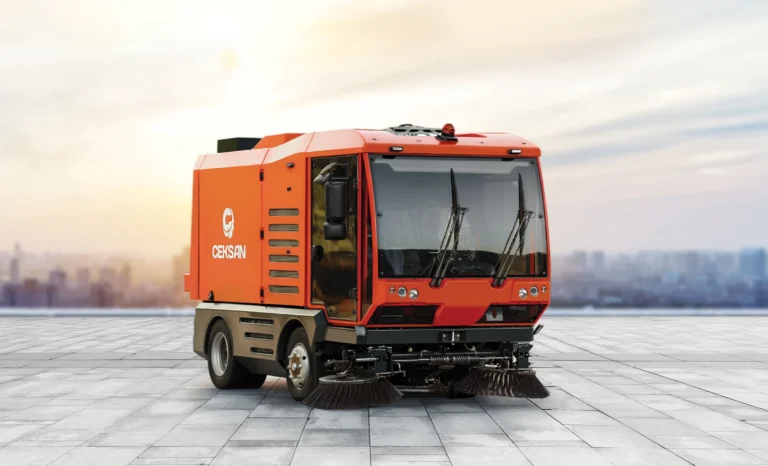
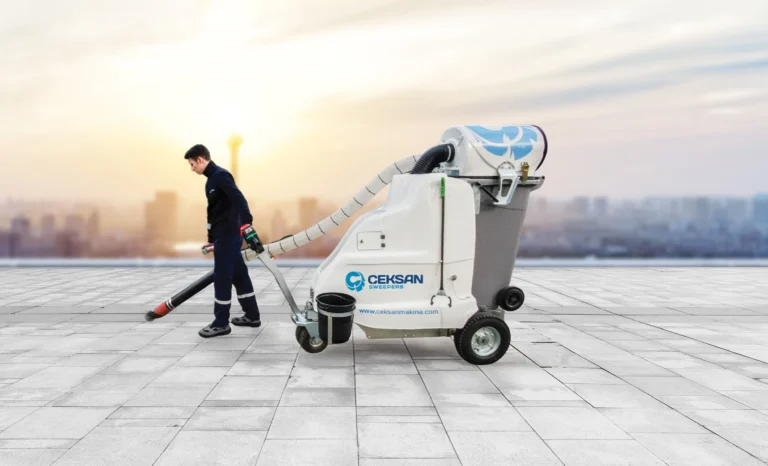
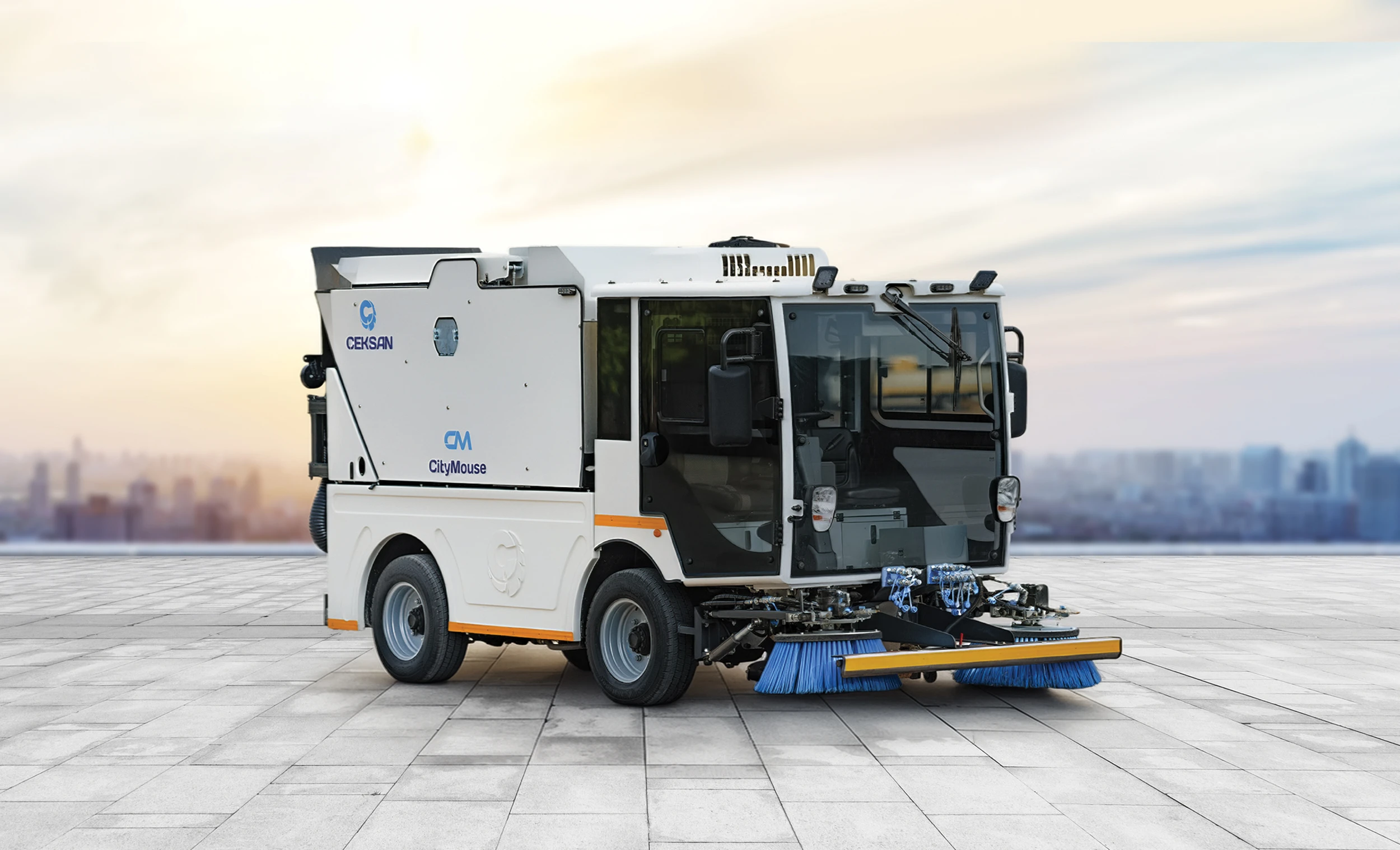
As urban environments continue to grow and evolve, street cleaning has become a significant focus for smart cities looking to enhance their sustainability and cleanliness. Technological innovations play a crucial role in facilitating more efficient cleaning operations. Smart sensors are at the forefront of these advancements, allowing cities to obtain real-time data on street cleanliness, traffic patterns, and weather conditions. These sensors can detect the accumulation of debris, litter, and other pollutants, enabling cities to deploy cleaning resources strategically.
Data analytics complements the functionality of smart sensors, transforming raw data into actionable insights. By analyzing this information, city planners can optimize cleaning schedules based on actual need rather than fixed routines. For example, if data indicates higher pollution levels in specific areas, residents can respond with targeted cleaning operations. This predictive management not only enhances the efficiency of cleaning operations but also helps to minimize operational costs, making better use of the available workforce and equipment.
The integration of Internet of Things (IoT) devices further enhances urban street cleaning strategies. These smart devices can communicate with one another and respond dynamically to changing conditions on the streets. For instance, IoT-enabled sweepers can adjust their cleaning patterns in real time based on data received from environmental sensors. Additionally, cities like Barcelona and Singapore have successfully implemented these technologies to improve their street cleaning capabilities. They showcase how adopting smart technologies can lead to cleaner urban environments and a better quality of life for their residents.
The Role of Data and AI in Optimizing Street Cleaning
The advancement of technology has brought about revolutionary changes in many urban services, including street cleaning. With the advent of smart cities, the integration of data collection and artificial intelligence (AI) has dramatically enhanced the efficiency and effectiveness of sweeping operations. By harnessing data on traffic patterns, weather conditions, and public feedback, municipalities can create informed cleaning schedules and routes tailored to the unique needs of their areas.
For instance, real-time traffic data allows street cleaning vehicles to avoid congested areas during peak hours, ensuring minimal disruption to residents and road users. This strategic approach not only optimizes the performance of sweepers, but also reduces operating costs by minimizing fuel consumption and thereby enhancing overall service delivery. Weather data plays a critical role as well; during periods of heavy rain, for example, the necessity for sweeping may decrease, allowing resources to be allocated to other essential services.
Furthermore, AI algorithms are capable of analyzing historical data for predictive maintenance of cleaning machinery and vehicles. By monitoring various factors such as machine usage, performance metrics, and potential wear-and-tear indicators, AI can anticipate when a sweeper requires maintenance, thereby preventing unexpected breakdowns. This proactive approach not only prolongs the lifespan of the equipment but also ensures that street sweeping operations remain uninterrupted.
Additionally, incorporating public feedback into the street cleaning process allows cities to adjust their cleaning routes based on citizen input. This level of transparency and responsiveness fosters community engagement and satisfaction, as residents feel their concerns are being addressed. Overall, the incorporation of data and AI in urban street cleaning operations represents a significant advancement towards achieving cleaner and more sustainable urban environments.
Future Perspectives: The Vision of Clean Smart Cities
As urban areas continue to expand, the quest for cleanliness in smart cities gains increasing importance. Future street cleaning initiatives are likely to be governed by technological advancements that promote efficiency, sustainability, and community engagement. A key aspect of this vision incorporates the use of autonomous sweepers, which are designed to navigate city streets with minimal human intervention. These vehicles promise to operate continuously, adapting their paths to the varying needs of urban environments, thereby ensuring that public spaces remain clean and safe.
In addition to incorporating autonomous cleaning technologies, smart cities will increasingly focus on community engagement initiatives. Residents will be empowered to participate in maintaining cleanliness through mobile applications that report littering or missed cleaning services. Such platforms can foster a sense of responsibility among the community, encouraging citizens to take an active role in their neighborhoods and contribute to the general upkeep of public spaces.
Moreover, the integration of street cleaning data into broader smart city ecosystems holds significant potential for optimizing urban cleanliness. This system could harness data analytics to determine when and where cleaning operations are necessary, thereby reallocating resources more efficiently. Nonetheless, the implementation of these advanced technologies will face challenges, such as the need for substantial investments and reliable infrastructure. Addressing these issues will require collaboration among local governments, private sectors, and communities.
Ultimately, the pursuit of clean smart cities hinges on innovative technologies and the active involvement of citizens. While challenges exist, the benefits of creating cleaner urban environments through enhanced street cleaning practices indicate a promising direction. By investing in future systems and fostering collaborative initiatives, cities can achieve sustainable urban cleaning that not only meets the needs of today but also lays the groundwork for future generations.